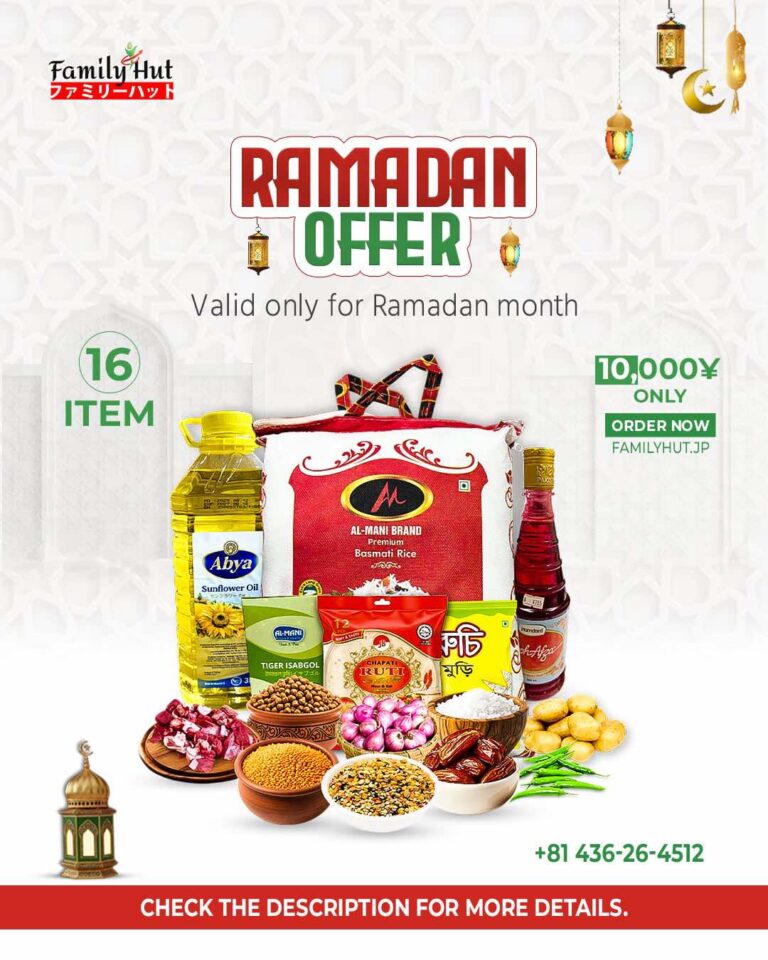
🔔都道府県ごとに最低購入金額の条件がございます。送料はお届け先住所に応じて、チェックアウト時に自動計算されます。なお、各地域の最低購入金額に達した場合は、送料無料が自動的に適用されます。ご不明な点がございましたら、お気軽にお電話下さい-07038281274。 MINIMUM ORDER AMOUNTS VARY BY PREFECTURE, SHIPPING FEES ARE AUTOMATICALLY CALCULATED AT CHECKOUT BASED ON YOUR DELIVERY ADDRESS, AND FREE DELIVERY WILL BE AUTOMATICALLY APPLIED ONCE THE MINIMUM PURCHASE AMOUNT FOR YOUR REGION IS MET — IF YOU HAVE ANY QUESTIONS, PLEASE FEEL FREE TO CALL US-07038281274. 都道府県ごとに最低購入金額の条件がございます。送料はお届け先住所に応じて、チェックアウト時に自動計算されます。なお、各地域の最低購入金額に達した場合は、送料無料が自動的に適用されます。ご不明な点がございましたら、お気軽にお電話下さい-07038281274。 都道府県ごとに最低購入金額の条件がございます。送料はお届け先住所に応じて、チェックアウト時に自動計算されます。なお、各地域の最低購入金額に達した場合は、送料無料が自動的に適用されます。ご不明な点がございましたら、お気軽にお電話下さい-07038281274。 🔔

 Basmati Rice
 Sauce
SauceIs Mr. Noodles Halal? Understanding Halal Certification and Instant Noodles in Bangladesh

Introduction: The Importance of Halal for Muslim Consumers
Halal certification plays a critical role in the lives of Muslim consumers, transcending mere compliance with dietary laws. For many, halal is not just a dietary guideline; it represents a profound connection to faith, cultural identity, and lifestyle choices. The concept of halal, which means “permissible” in Arabic, is anchored in Islamic teachings and serves as a benchmark for what is deemed acceptable for consumption. This certification affirms that products adhere to the requisite principles, thus building trust between consumers and manufacturers.
As globalization and modernity reshape food landscapes, the relevance of halal certification has grown exponentially, particularly in regions such as Bangladesh, where a significant portion of the population identifies as Muslim. The increasing availability of instant noodles and fast food items has created a pressing demand for halal assurances. Consequently, the significance of halal extends beyond basic dietary restrictions; it embodies the values and beliefs that define an individual’s or community’s way of life.
The modern consumer, often inundated with choices that are fast and convenient, seeks reassurance that their dietary habits align with their spiritual and ethical values. Halal certification provides such reassurance, allowing consumers to make informed decisions without compromising their faith. It encompasses not only the source of ingredients but also the manner in which products are processed and packaged. Thus, it ensures that the entire supply chain aligns with Islamic principles. With the proliferation of instant noodles and similar products, understanding what halal truly means for Muslim consumers is essential for fostering a market that respects cultural identities. The importance of halal certification in today’s marketplace cannot be overstated; it is a vital aspect of consumer choice, identity, and faith in an increasingly complex world.
Mr. Noodles: A Household Favorite in Bangladesh
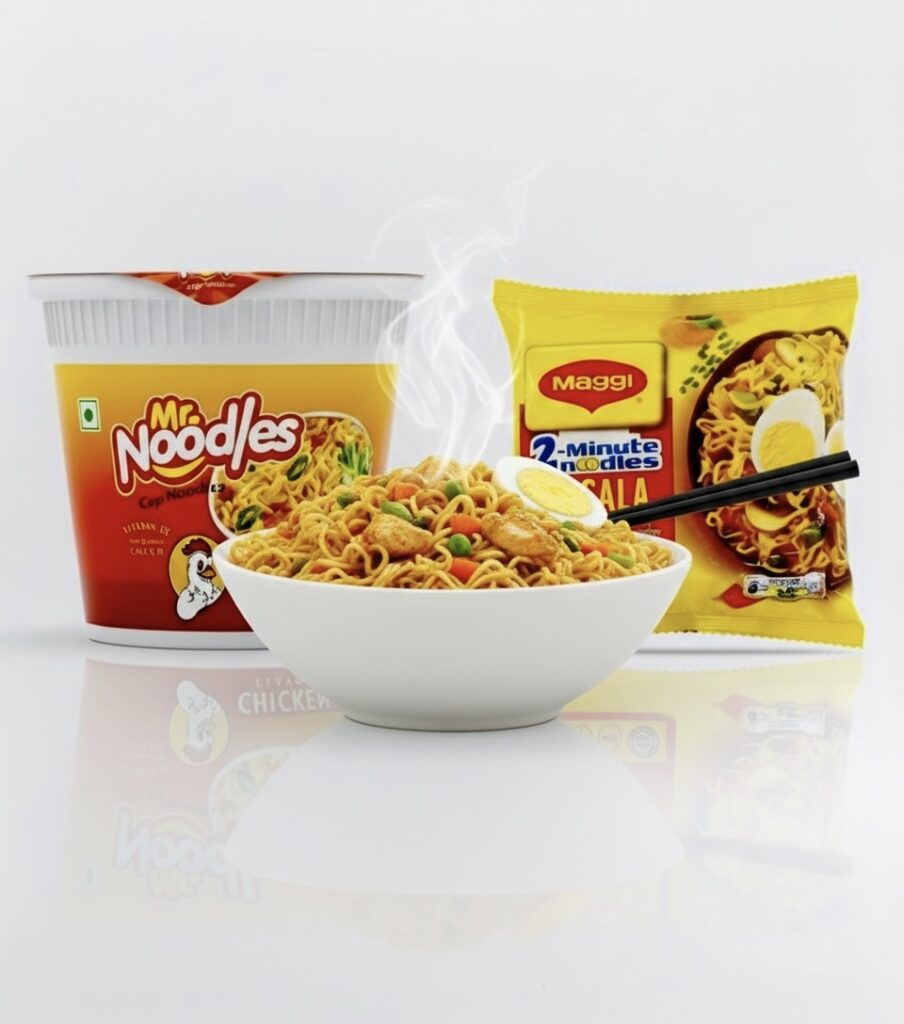
Mr. Noodles has established itself as a prominent staple in the culinary landscape of Bangladesh. This instant noodle brand, produced by Pran Agro Ltd, is particularly popular among diverse demographics, including students, working professionals, and families. The affordability of Mr. Noodles makes it an accessible meal option for a broad spectrum of consumers, particularly in urban areas where quick meal solutions are often sought after.
The taste and texture of Mr. Noodles are significant factors contributing to its popularity. It is renowned for its delightful flavor profile, which varies across different variants, appealing to varying palates. The noodles boast a unique chewy texture that enhances the overall eating experience, allowing individuals to enjoy a satisfying snack or meal at any time of day. Moreover, the convenience of preparation—typically requiring just a few minutes of cooking—makes it an appealing choice for those with busy lifestyles.
Additionally, Mr. Noodles often serves as a quick and economical option for low-budget meals. This aspect has been particularly important in a country where many people seek value for their money while ensuring they consume food that is both tasty and filling. Its popularity is further amplified by effective marketing strategies implemented by Pran Agro Ltd, which promote Mr. Noodles not only as a meal but as a lifestyle choice that resonates with the quick-paced urban living.
The extensive availability of Mr. Noodles in local grocery stores and markets enhances its accessibility, making it a common fixture in many households. As a result, it has become a beloved snack, reflecting the changing tastes and dining preferences of the Bangladeshi population. Overall, the combination of affordability, appetite satisfaction, and convenience solidifies Mr. Noodles’ status as a cherished food item within the country.
The Halal Mark: What Does It Mean for Mr. Noodles?
Halal certification is significant in ensuring that food products meet specific dietary laws as mandated by Islamic principles. For consumers seeking assurance regarding their food choices, the halal mark on product packaging serves as a vital indicator of compliance with these guidelines. Mr. Noodles, a popular instant noodle brand, presents itself in various markets with a halal certification, which implies adherence to Islamic dietary standards. This mark not only impacts the acceptance of the product among Muslim consumers but also influences their purchasing decisions and overall trust in the brand.
In the context of Mr. Noodles, the halal certification indicates that the ingredients used in the product do not contain any items that are considered haram, or forbidden, under Islamic law. It is crucial for the brand to maintain transparency regarding its sourcing and manufacturing processes to uphold consumer trust. Additionally, the halal mark can extend beyond mere ingredient safety; it often encompasses aspects of manufacturing and handling practices that align with halal standards. This holistic approach helps to foster confidence among consumers, particularly in a diverse market like Bangladesh where dietary preferences significantly differ.
Marketers may sometimes emphasize the vegetarian-friendly aspect of Mr. Noodles to appeal to a wider audience. However, it is essential for consumers to comprehend that claims of being vegetarian do not universally equate to halal. The presence of a halal certification specifically affirms that the product meets Islamic dietary guidelines, while vegetarian labeling might merely indicate the absence of meat. As such, consumers should be vigilant and discerning when faced with such claims, ensuring that their choices align with their dietary beliefs and requirements.
Official Sources: The Reality of Halal Certification
When considering the halal status of food products, consumers often rely on official certifications as a measure of assurance. In Bangladesh, the Bangladesh Standards and Testing Institution (BSTI) and the Islamic Foundation are the two primary bodies responsible for overseeing halal certification. They provide guidelines for ensuring that food items comply with Islamic dietary laws. However, recent checks have revealed that Mr. Noodles does not possess a government-issued halal certificate from either of these authoritative institutions.
The absence of a halal certification from BSTI or the Islamic Foundation raises significant concerns for consumers who prioritize the consumption of guaranteed halal products. Halal certification is critical as it ensures that the entire production process, from sourcing ingredients to manufacturing and packaging, adheres to Islamic principles. Without such certification, consumers may face uncertainty regarding the meat and other ingredients used in Mr. Noodles, as well as the methods employed in preparation.
Furthermore, the lack of recognized halal certification can detract from consumer trust, as many individuals rely on these official endorsements to select food products that align with their religious beliefs. For those in search of halal compliance, this poses a dilemma. It is essential for consumers to fully understand the implications of consuming items that lack validated certifications, as this could lead to unintentional violations of dietary laws.
Given the growing popularity of instant noodles in Bangladesh, the absence of halal certification for Mr. Noodles poses a considerable issue. It prompts consumers to seek alternatives that are certified halal and assures integrity and compliance with Islamic dietary requirements. In a market that increasingly caters to halal-conscious customers, the presence of credible certification becomes even more crucial for ensuring trust and satisfaction in food choices.
Comparative Analysis: Maggi Noodles and Its Halal Status
Maggi noodles, a staple instant noodle brand produced by Nestlé, has garnered a widespread audience across various countries. However, its halal status can differ greatly depending on the region and the specific manufacturing processes employed in each country. Understanding this variance is essential for consumers, especially those seeking halal-certified products.
In many predominantly Muslim countries, Maggi noodles are manufactured under strict halal guidelines, allowing consumers to confidently purchase and consume these products. For example, in countries like Indonesia and Malaysia, the production is meticulously overseen, ensuring compliance with Islamic dietary laws. In these regions, Nestlé explicitly confirms the halal status of its products, making it easier for consumers to identify suitable options.
Contrastingly, in regions where the demand for halal products is less pronounced, such as the United States or some European countries, the halal certification may not be as rigorously pursued. In these locations, although Maggi noodles might be available, it’s imperative for consumers to verify individual products’ halal status. Nestlé often includes product-specific halal certifications on packaging, stating whether a specific variant meets halal dietary requirements. This practice underscores the importance of thorough inspection of product labeling, enabling consumers to make informed decisions regarding their dietary choices.
In essence, while Maggi noodles can be found globally, not all variants carry halal certification, making it essential for consumers to be diligent in their research and verification. Checking packaging for halal certifications ensures adherence to dietary laws and aids in maintaining a halal lifestyle. Therefore, one must approach the purchase of Maggi noodles with a discerning eye, especially when faced with a diverse range of options available in the market.
Key Points to Remember When Choosing Instant Noodles
When selecting instant noodles, particularly for those adhering to halal dietary guidelines, it is essential to remain vigilant and informed. A primary step is to check for halal certification logos on the packaging. These logos signify that the product has undergone a thorough evaluation by a recognized halal certification body, ensuring compliance with Islamic dietary laws. Various halal certifying authorities have their unique symbols; hence, understanding and recognizing these logos can help consumers make informed choices.
Furthermore, consumers should meticulously read ingredient lists. Instant noodles may contain a range of additives, flavorings, and preservatives that may not align with halal standards. Ingredients such as animal-derived enzymes or certain flavor enhancers could render the product non-halal. Familiarizing oneself with common haram ingredients can be beneficial. For instance, gelatine sourced from non-halal animals or alcohol-based flavorings should be avoided in any halal diet.
Taking note of the manufacturing country is also crucial, as halal standards can vary significantly from one region to another. Countries with a significant Muslim population often have stricter regulations governing halal food production. Therefore, research can aid consumers in identifying which countries are known for their adherence to halal practices in food manufacturing.
If there are any uncertainties or ambiguities regarding a specific product, it is advisable to contact the customer service of the noodle brand directly. Many companies are willing to provide detailed information and clarification regarding their production processes and adherence to halal guidelines. Being proactive in seeking information can help ensure that the choices made align with personal dietary requirements.
Final Verdict: Assessing the Halal Status of Mr. Noodles
Determining the halal status of Mr. Noodles involves a detailed examination of its ingredient composition and the manufacturing processes involved in its production. Based on the analysis of the ingredients typically found in Mr. Noodles, it appears that the product is likely halal. The primary ingredients usually consist of wheat flour, vegetable oil, and various seasonings that do not contain any evident haram elements such as pork derivatives or alcohol-based additives. However, a definitive halal certification is essential for consumers looking for absolute assurance.
One key point to note is that while Mr. Noodles may not list any non-halal ingredients, it lacks clear halal certification from a recognized authority. This gray area can lead to uncertainty among consumers who place significant importance on halal compliance. In contrast, some brands, including Maggi, have been known to achieve the halal certification based on their manufacturing standards and ingredient sourcing protocols. Maggi noodles, depending on the region of manufacture, can hold a halal label, thereby providing added assurance to consumers who adhere strictly to dietary laws.
Ultimately, for those who regularly consume instant noodles in Bangladesh, it is advisable to seek out products that are clearly marked with halal certification. This ensures not only compliance with Islamic dietary laws but also fosters trust in the products consumed. While Mr. Noodles appears to be compliant based on its ingredients, the absence of an official certification could be a deciding factor for many consumers. Making informed choices based on both ingredient assessment and certified halal labels will empower consumers to adhere to their dietary beliefs confidently.
Family Hut’s Recommendation: Ensuring Halal Choices
In the diverse culinary landscape of Bangladesh, ensuring that food choices align with halal standards is a matter of both preference and religious obligation. Family Hut advocates strongly for the consumption of halal food, stressing the imperative for individuals to be diligent in their selections. This begins with understanding halal certification and its significance for consumers, particularly for imported and processed items such as instant noodles.
When it comes to purchasing products like Mr. Noodles, it is essential for consumers to check for credible halal seals. These seals are typically emblazoned on packaging by recognized halal certification bodies. Such certifications guarantee the adherence to specified Islamic dietary laws, covering every aspect from the sourcing of ingredients to the production processes. Family Hut emphasizes the importance of education regarding these halal certifications, as there may be variations in standard adherence across different brands.
Moreover, the rise in the production and distribution of instant noodles in Bangladesh highlights the need for consumers to adopt a more scrutinizing approach. With a plethora of options flooding the market, it is advisable to not only focus on the presence of halal labels but also verify the authenticity of the certifying authority. Engaging with local halal certifying organizations could provide additional reassurance for consumers regarding their food selections.
In light of this emphasis, Family Hut encourages all consumers to cultivate a habit of reading labels carefully and actively seeking out trustworthy halal options when shopping. This conscientious approach not only ensures compliance with halal standards but also promotes the overall integrity of food consumption within the community. By choosing products with legitimate halal certifications, individuals can make informed decisions and contribute to a more ethically aligned food environment.
Conclusion
As the global food market continues to intertwine various cultures and culinary practices, it is essential for consumers to remain well-informed about the products they choose to incorporate into their diets. This is especially true in the context of halal certification, which holds significant importance for many individuals within the Muslim community. Understanding whether products like Mr. Noodles are halal certified is not merely a matter of preference; it significantly impacts adherence to dietary laws and ethical consumption.
The demand for halal foods is on the rise, not just in regions with majority Muslim populations, but also in diverse global markets, including Bangladesh. Thus, it is crucial for consumers, whether they are dietary adherents or not, to actively seek out information regarding the halal status of food products. This not only enhances consumer knowledge but also encourages manufacturers to provide clarity about their offerings, leading to a more transparent food environment.
Engaging with halal certification can help individuals make informed choices that align with their values and beliefs. Resources such as certification bodies, food labels, and community guidance play an instrumental role in this education. By prioritizing informed consumption, individuals can contribute to a marketplace that respects and acknowledges the dietary needs of all consumers. While the convenience of instant noodles appeals to many, understanding their halal status is pivotal for responsible nutrient selection. As such, it is our responsibility as consumers to continuously educate ourselves on halal practices and promote a culture of informed choices within our communities.